JEHOVAH’S
WITNESSES
JEHOVAH’S
WITNESSES
More than 11 years revealing secrets because there is no excuse for secrecy in God’s true religion – The Watchtower, June 1st 1997; Dan 2:47; Matt 10:26; Mark 4:22; Luke 12:2; Acts 4:19, 20.
Written and Published By: Miss Usato, Last Updated: February 9th, 2026
AvoidJW has this Supreme Court Hearing streaming Live on our Homepage. Below is a summary with quotes from the Translations of each day.
“It is very far from heavy material… it does not indicate difficult family conflicts or difficult upbringings.”
– Watchtowers defense regarding their publications on shunning
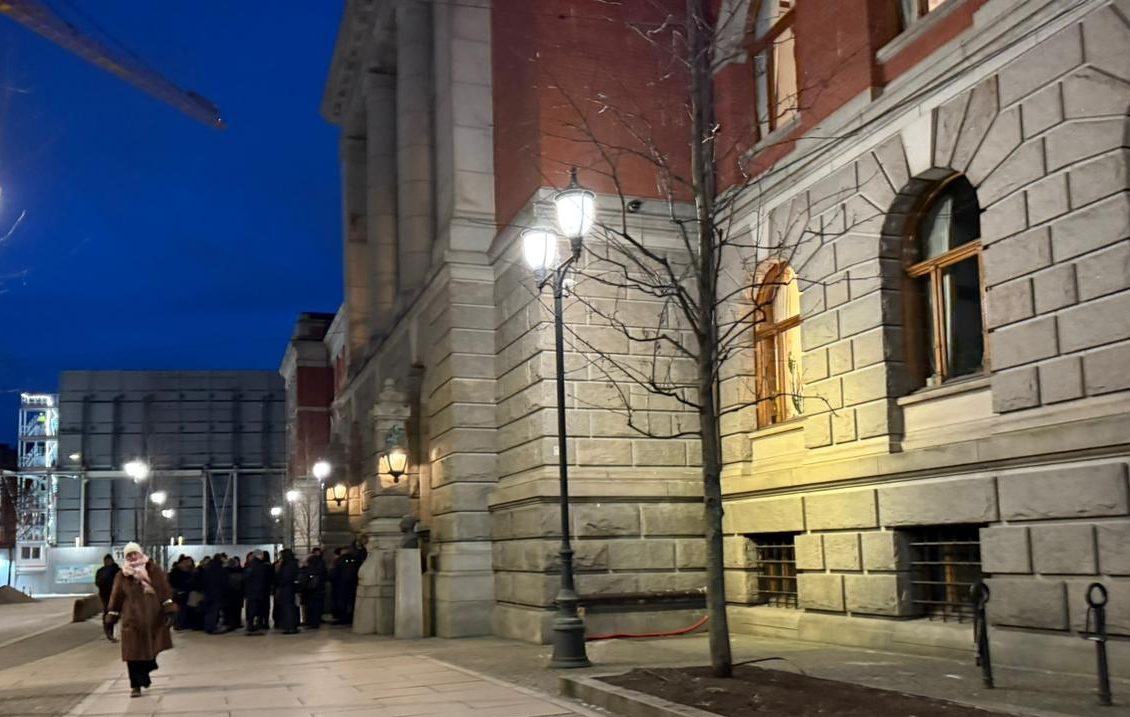
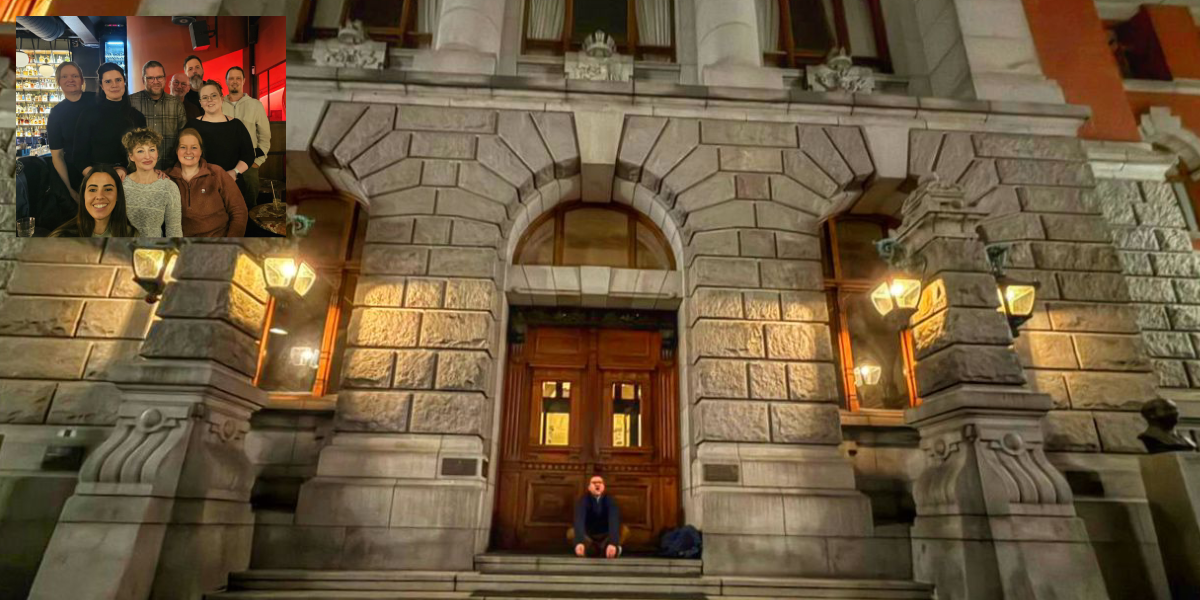
Supreme Court house, Norway – On the Final Day of the Supreme Court Hearing, Anders Ryssdal, Watchtowers defense, will conclude his arguments, and then the State is allowed to respond before the day ends. You can see the beginning of Ryssdal’s arguments from Friday, February 6th.
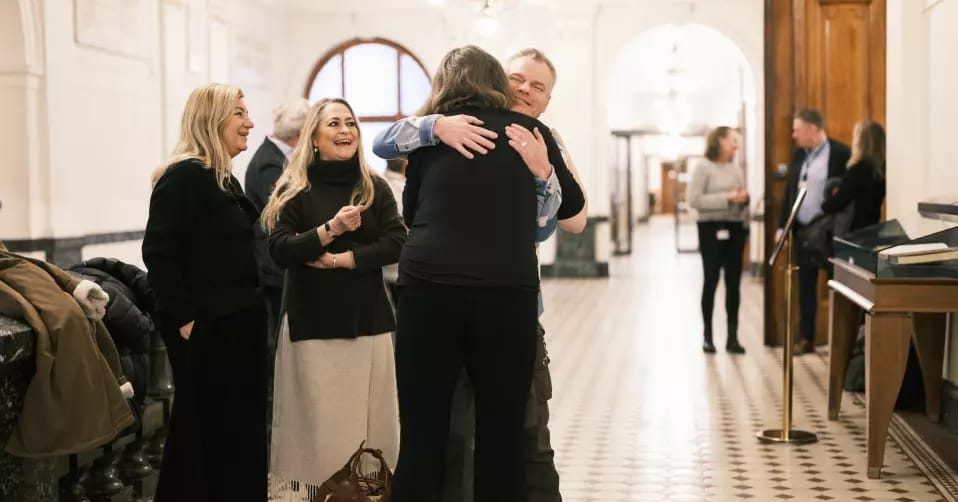
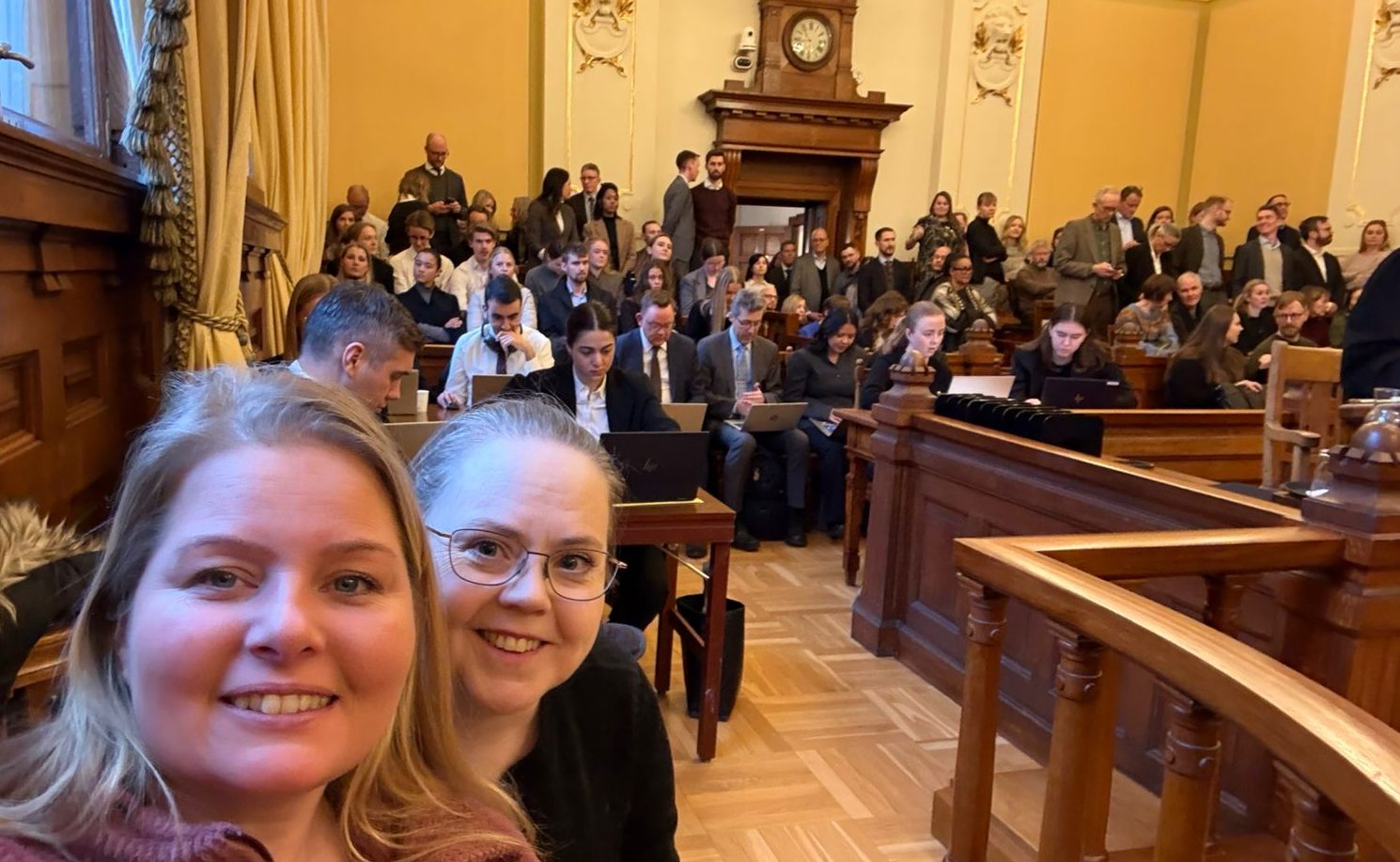
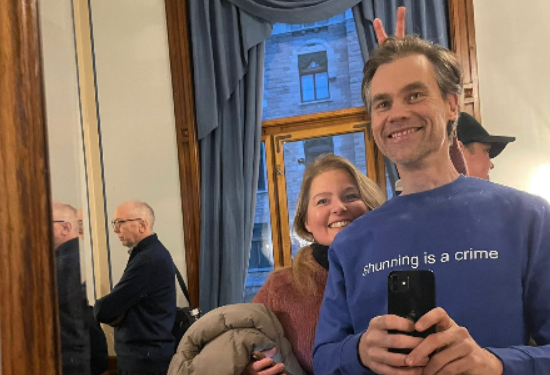
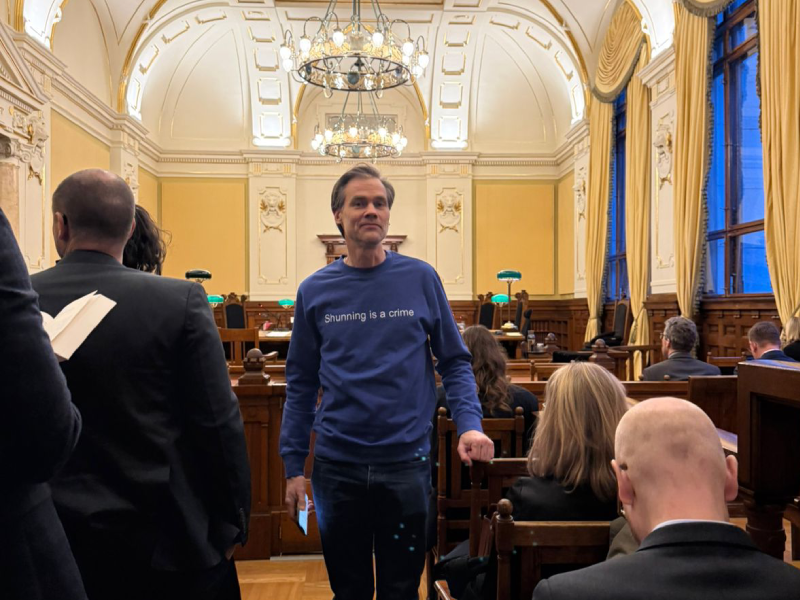
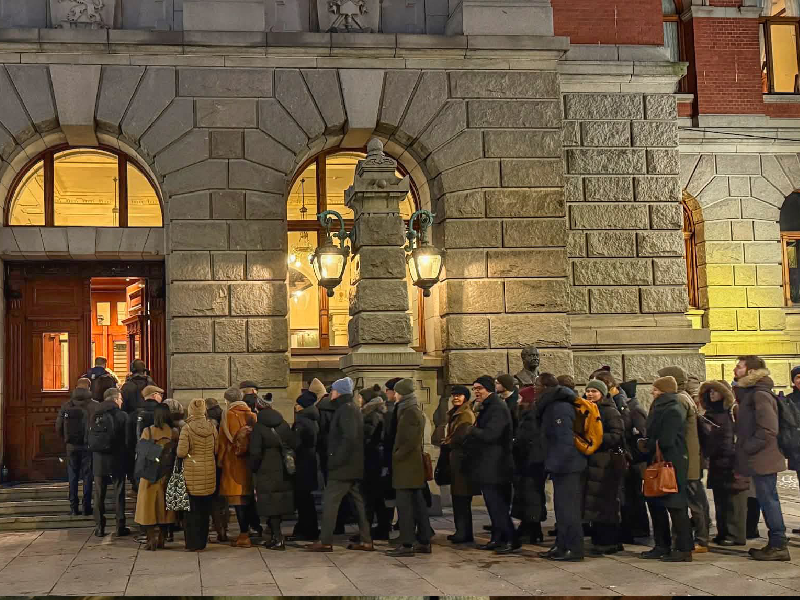
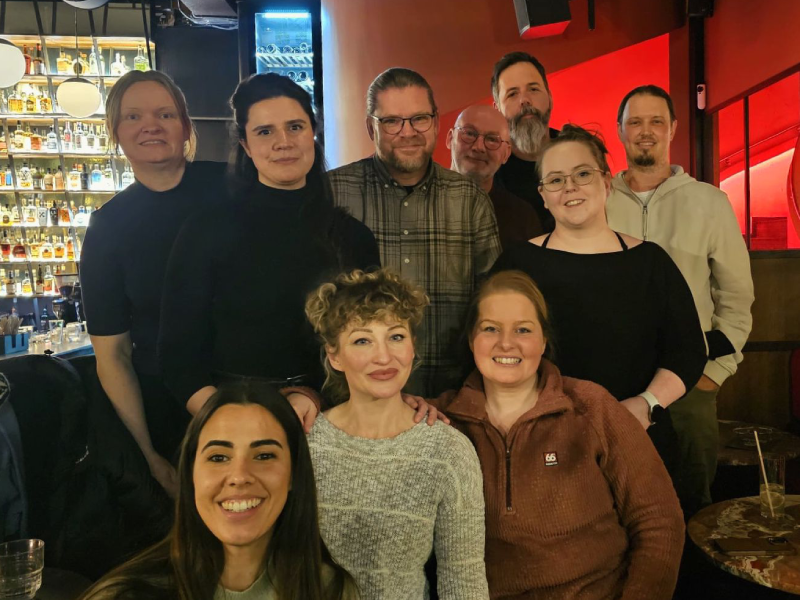
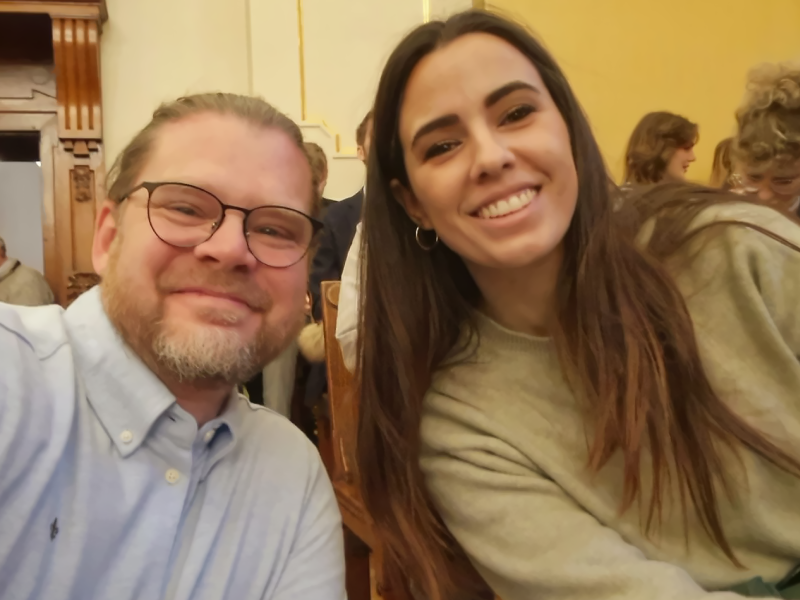
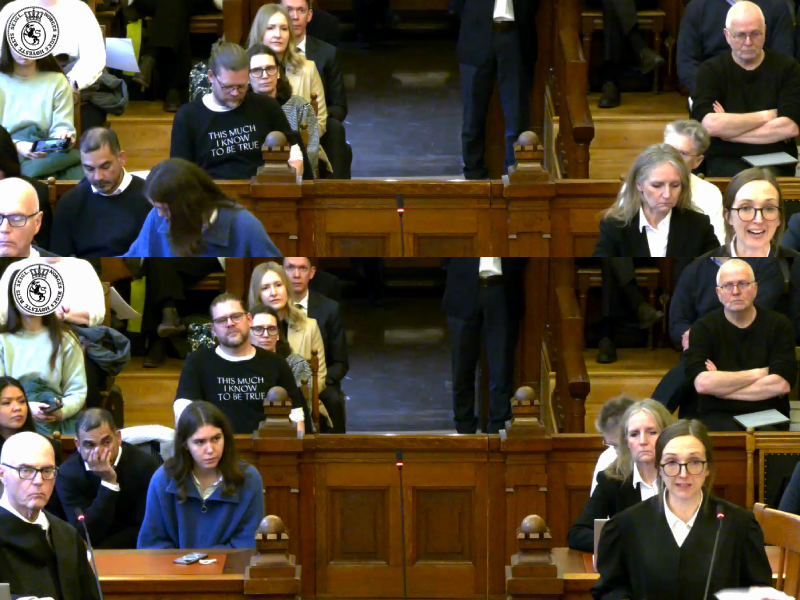
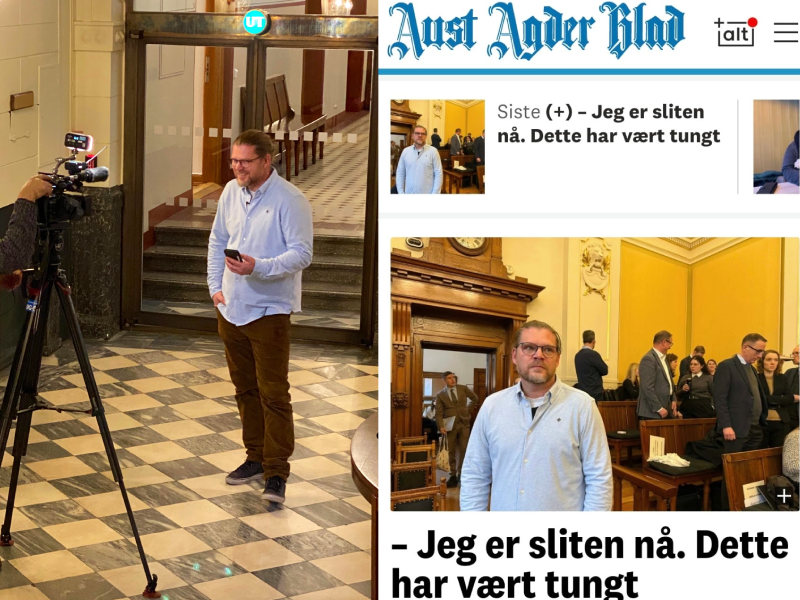
For the final day, more Former Jehovah’s Witnesses, including Jan Frode Nilsen and Sorayis Narez Traveled to Oslo, Norway, to attend the final day hearing. They arrived first, with a herd of Jehovah’s Witnesses behind them. Jan Nilsen and Sorayis were able to get seats front and center in the courtroom. Jan will be going on the national broadcaster this evening at 19:00 CET to speak about the hearing. The AvoidJW Team thanks all of the Former Jehovah’s Witnesses for attending and giving us updates, but also the ones who testified in the past few years. We understand how difficult it is to open up about these things, and our hearts go out to them for their courage.
Today, the oral Arguments wrap up, and it concludes more into internal operations with velvet curtains. First, the justices retreat from the bench, and the courtroom clears. Next would come the justices’ private conference in a closed room. No rulings will be announced today, nor are any outcomes revealed. It will be a few weeks until we hear of their decision. But for now, here are the summaries and updates on Ryssdal’s closing arguments
“They have normal contact with family members who are not Jehovah’s Witnesses… with schools and friends.”
-Watchtowers defense, Ryssdal
Before Ryssdal continued his argument from February 6th, Liv Gabrielsen, The State, introduced additional documentation drawn directly from Jehovah’s Witnesses’ own publications, material already referenced in earlier proceedings but now formally placed before the Court. The focus was not on new evidence, but meaning.
At issue was terminology used internally by Jehovah’s Witnesses, language the State argued carries real-world consequences, and which Ryssdal was quick to neutralize. On February 6th, Ryssdal brought up the term “shunning” and its meaning in Norwegian, attempting to downplay its definitions. It’s also important to note that there is no word for “apostate” in Norwegian; the translation for them is “Ones against Jehovah’s Witnesses.” Jehovah’s Witnesses have coined the term “Apostate” as a feared and negatively judged roll on being against them, and in English, it would be the same definition.
Ryssdal immediately sought to downplay the state’s material and significance on the matter, describing the submissions as marginal and stressing that they introduced no new evidence. His focus quickly shifted to language, specifically, the meaning of a term used in Jehovah’s Witness publications that the State argues reflects a broader practice of social exclusion. “This expression is an English verb. It basically means to avoid. In itself, it is quite neutral and not particularly burdensome.”
Ryssdal repeatedly insisted that the word should not be associated with coercion, psychological harm, or family rupture, dismissing such interpretations as exaggerations. “It is very far from heavy material… it does not indicate difficult family conflicts or difficult upbringings.”
At this point, members of the Court pressed for clarification, probing whether the issue before them was merely linguistic or whether the effects of the practice described by the language were what mattered. The judges questioned how the term functions in real life, particularly when applied to baptized members, including minors.
Rather than engage directly with that distinction, Ryssdal pivoted to witness testimony, presenting a series of carefully selected accounts intended to demonstrate normality and social integration. He emphasized that Jehovah’s Witness children attend school, have friends outside the faith, and maintain contact with non-Witness family members. “They have normal contact with family members who are not Jehovah’s Witnesses… with schools and friends.”
Several judges followed up, asking whether these descriptions applied universally, or whether they changed under certain conditions,such as baptism or disciplinary action. Ryssdal maintained that family bonds generally persist, again relying on individual stories rather than organizational policy.
“Negative social control is not a legal concept under Norwegian law.”- Anders Ryssdal
On baptism, Ryssdal strongly rejected the idea of pressure, stressing parental involvement and maturity requirements. “It’s the parents who know whether their children are mature enough to be baptized… they must have full freedom of choice.”
He noted that many children never get baptized and face no consequences for that decision. What went unexamined in this framing was how consequences differ once baptism occurs, a point the judges returned to later in the discussion.
One of the day’s most consequential exchanges came as Ryssdal addressed the State’s use of the term negative social control. He argued that the concept lacks legal grounding, citing official government reports that describe it as vague, culturally dependent, and unsuitable as a basis for sanctions. “Negative social control is not a legal concept under Norwegian law.”
The judges challenged this position, asking whether the absence of a precise legal definition necessarily prevents the State from assessing real-world practices, especially where children’s rights are concerned. Ryssdal responded by warning that denying state subsidies on such grounds would amount to a punitive measure without a clear legal basis. “You are denying something that absolutely everyone gets. Then you are within the legality requirement.”
Ryssdal framed the case as one of state overreach and linguistic misinterpretation, while the Court repeatedly returned to questions of impact, predictability, and proportionality. The central fault line was unmistakable:
Is this case about words, and whether they can be legally defined, or about practices, and whether the law is permitted to name their consequences?
“We are five and a half million inhabitants in Norway. About 12,000 are Jehovah’s Witnesses. Children attend public schools. Adults work in ordinary jobs. Family ties continue.”
– Ryssdal
As the Supreme Court hearing continued, the focus sharpened from abstract legal concepts to something far more concrete: whether the State is effectively demanding changes to Jehovah’s Witness doctrine as a condition for registration and funding.
This concern surfaced most clearly when attention turned to the State’s own decision documents. In the formal Notice of Loss of Registration, the consequences of the subsidy denial were laid out in stark terms.
According to the decision, Jehovah’s Witnesses were given a deadline to “rectify the situation” that led to the denial of state subsidies. If the community wished to regain funding, it would need to document corrective measures and submit them to the State Administrator within a fixed timeframe. Crucially, the decision specified what those corrections would need to address. The documentation must concern the religious teachings of Jehovah’s Witnesses, including practices related to social distancing.
This passage did not go unnoticed by the Court. The implication was difficult to ignore: state funding would remain unavailable unless core religious teachings were altered, or at a minimum redefined, to satisfy the State’s interpretation of acceptable practice. Jehovah’s Witnesses were further informed that they had four weeks to appeal.
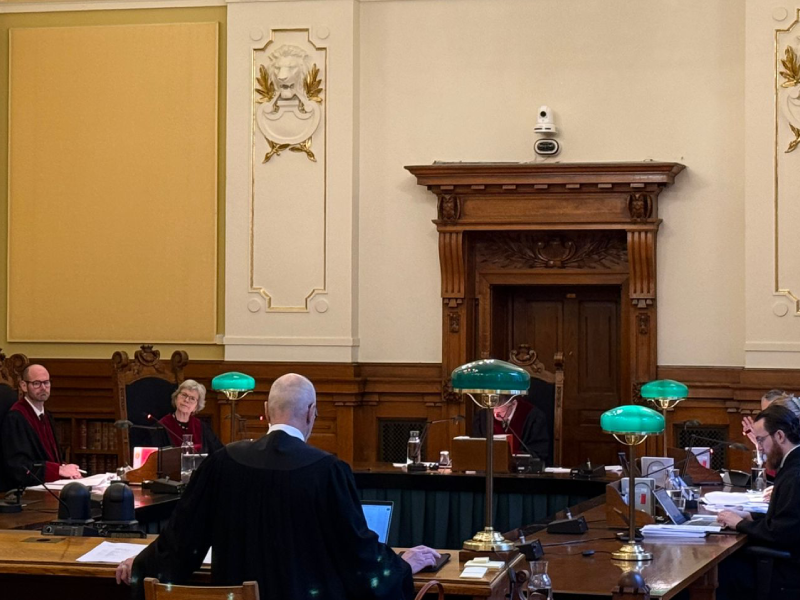
Ryssdal also challenged the State’s use of the term negative social control, arguing that it conflates religious discipline with social isolation without factual basis. “We are five and a half million inhabitants in Norway. About 12,000 are Jehovah’s Witnesses. Children attend public schools. Adults work in ordinary jobs. Family ties continue.”
He reminded the Court that family and private life are protected under Article 8 of the European Convention on Human Rights and Section 102 of the Constitution, noting that even the State’s own witnesses had described normal social interaction. “Social distancing does not mean social isolation.”
The hearing then turned to testimony describing how the decision has affected Jehovah’s Witnesses in practice. One Jehovah’s Witness called the decision deeply personal: “Incredibly sad. My religion is just as important as everyone else’s.”
Several witnesses described concrete consequences, including the inability to marry in their Kingdom Hall. “For us, marriage is a sacred institution. To not be able to marry in our own place of worship is very sad.” Others testified that stigma and hostility had increased following the State’s decision. “Jehovah’s Witnesses are used to prejudice, but this has accelerated since the decision.”
Ryssdal further questioned why Jehovah’s Witnesses were singled out when other religious communities with strict moral rules and exclusion practices continue to receive state support. “None of these communities has been examined or sanctioned in the same way.” Citing submissions from the Helsinki Committee and academic research, he asked why no broader review of religious communities was conducted before targeting one group. “The question is why Jehovah’s Witnesses are being treated differently.”
By the lunch break, the fault line was clear. The case now turns on whether Norway is applying neutral standards, or whether the cumulative effects of its decision amount to a serious and unequal interference with religious freedom, regardless of the labels attached to it.
“Changing the word does not change what is actually happening.”
-Liv Inger Gjone Gabrielsen
As the hearing moved into its final stretch, the courtroom settled into a tense rhythm: the State pressed forward, Watchtower’s lawyer pushed back, and the judges repeatedly stepped in to test the foundations of both arguments.
The State’s closing position was blunt. It returned again and again to doctrine, insisting that Jehovah’s Witnesses’ own texts and teachings were sufficient to justify the denial of subsidies and registration. The practice of shunning, the State argued, is not a misunderstanding or a matter of individual conscience; it is a core rule, clearly expressed, consistently enforced, and backed by sanctions.
“This is the main rule,” the State said. “Avoid contact. Do not eat with such a person. Even a greeting can develop into more.”
Attempts by Jehovah’s Witnesses to soften the language, reframing shunning as “social distancing”, were dismissed as semantic maneuvering. “Changing the word does not change what is actually happening.”
The State emphasized that while exceptions exist, they are narrow, conditional, and do not alter the overall coercive effect. Members know the consequences in advance. They learn them through Watchtower literature, congregation announcements, and lived examples.
“It is not hypothetical. Everyone knows what happens when the announcement is made.”
Ryssdal, speaking for Watchtower, pushed back hard. He argued that the State was overreaching, reading theology selectively, isolating scripture, and substituting its own interpretation for that of the religious community itself. He accused the State of building an interference case based not on concrete harm, but on texts alone. “If doctrine alone is enough,” he warned, “then this is a direct state intervention into religious belief.”
Ryssdal repeatedly framed the subsidy decision as mild, preventive, and proportionate, “not an order to change doctrine,” but merely a refusal to fund practices the State considers harmful.
Several judges zeroed in on the consequences rather than the labels. They questioned whether the loss of registration, the denial of subsidies, and the resulting limits on marriage, spiritual care, and public standing could really be dismissed as marginal. This was not, the judges suggested, a symbolic measure. They also probed the State’s reliance on religious texts, asking whether selective readings. especially where mitigating passages were ignored, could form a sufficient basis for such a serious intervention.
At one point, the tension crystallized around a single issue: Was the State responding to proven harm, or preemptively sanctioning belief?
The State answered without hesitation. It does not need to wait for documented victims, she said. The law allows preventive action where practices are likely to violate rights. The duty to protect, particularly where children are concerned, cannot depend on harm first occurring. “To require specific victims would mean the State must fail before it can act.”
But that answer only sharpened the Court’s focus. Judges noted that while the State claimed a preventive mandate, it had also acknowledged relying almost entirely on Watchtower’s writings, without independent investigation, expert assessment, or corroboration from child welfare or health authorities. By the time the final procedural points were addressed, one thing was unmistakable: The Court was no longer weighing abstractions.
In the end, the State’s argument rests on a simple, uncomfortable truth: when a religious organization openly teaches that leaving will cost you your family, your community, and your social world, the harm does not need to be speculative to be real. The coercion is built into the system itself. The State is not policing belief; it is refusing to fund practices that predictably strip individuals, including children, of a genuine right to walk away without fear. That line matters. And drawing it is not hostility toward religion; it is the State doing exactly what it is required to do.
In a few weeks, the verdict will decide far more than funding.
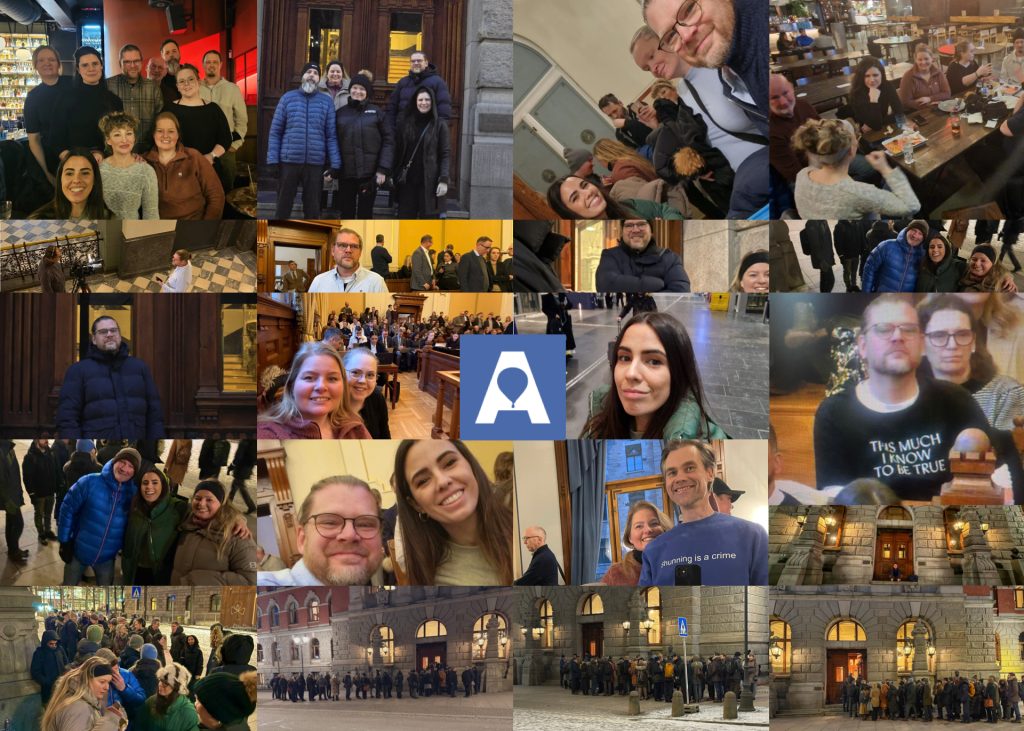
The Price We Pay
As we reflect on our coverage over the past several years of Norway’s “The Price We Pay” process, it’s important to name what this case has always been about. Jehovah’s Witnesses are not challenging the State out of principle; they are contesting the loss of tax subsidies and public legitimacy tied to practices that harm children and families.
In 2024, the organization introduced surface-level rule adjustments that appear designed to reduce scrutiny rather than address underlying harm. Throughout the Supreme Court hearings, their attorney repeatedly attempted to reframe and redefine lived realities, the same realities millions of former members recognize immediately.
We know those realities well:
being avoided, shunned, or cut off by friends and family;
being baptized at a young age; feeling pressure to conform through service, obedience, and a rigid lifestyle because love, connection, and family are conditional.
That was the price we paid for being brought into this organization.
Now, for the first time at a state level, the organization is being asked to face consequences. This does not erase the harm done. It does not undo lost childhoods, broken families, or decades of silence. But it doesn’t matter. A corporate religious entity that enforces human-rights-restrictive practices should not receive automatic recognition or public funding under the banner of religion.
The Norway process, now entering its fourth year, has centered on core issues:
the shunning of former members, the baptism of minors,
and the lifelong consequences imposed on those who leave, regardless of age.
The courage shown by many former Jehovah’s Witnesses who have testified, attended hearings, and consistently informed the public cannot be overstated. They have done this not out of bitterness, but out of care, for children, for families, and for truth. AvoidJW is honored to stand alongside them and will continue to support this work in every way we can.
Thank you to those who paid the price of speaking openly about your pain, so others would not have to suffer in silence.
Jehovah’s Witnesses Elders’ Book: Download a Copy in your language
JW Publication: Keep Yourselves in God’s Love
JW Publication: What Can the Bible Teach Us?
Furuli’s Website: My Beloved Religion
AUSTAGDERBLAD February 9th, 2026: The World is Watching
NKR (Norwegian Broadcasting Corporation) – February 9th, link will be present when available
Office of the Attorney General, representing the State of Norway
Glittertind AS Law Firm representing Jehovah’s Witnesses
Reporter
Translator
Analysis