
JEHOVAH’S
WITNESSES
JEHOVAH’S
WITNESSES
More than 11 years revealing secrets because there is no excuse for secrecy in God’s true religion – The Watchtower, June 1st 1997; Dan 2:47; Matt 10:26; Mark 4:22; Luke 12:2; Acts 4:19, 20.

Written and Published by: Miss Usato, January 4th, 2026
As 2026 begins, Jehovah’s Witnesses are no longer operating beneath the radar of governments, courts, and investigative journalists. Across multiple democracies, long-standing practices -once shielded by religious freedom, are now being examined through lenses of human rights, child protection, and state accountability.
This isn’t a coordinated global campaign. It’s something more revealing: independent systems in different countries are arriving at similar concerns, for similar reasons, at roughly the same time. The article below is linked with resources on the news provided.
A pattern, not a coincidence
From Scandinavia to North America, scrutiny tends to cluster around a small set of internal practices with real-world consequences:
Shunning and enforced social isolation, particularly when members leave or are expelled
Internal handling of child sexual abuse allegations, including failures to report to civil authorities
Medical decision-making, especially blood transfusion refusals involving minors
Disciplinary systems that critics argue discourage dissent and restrict access to information
Each country addresses these issues differently, but the themes repeat with uncanny consistency.
Europe: Public money meets public values
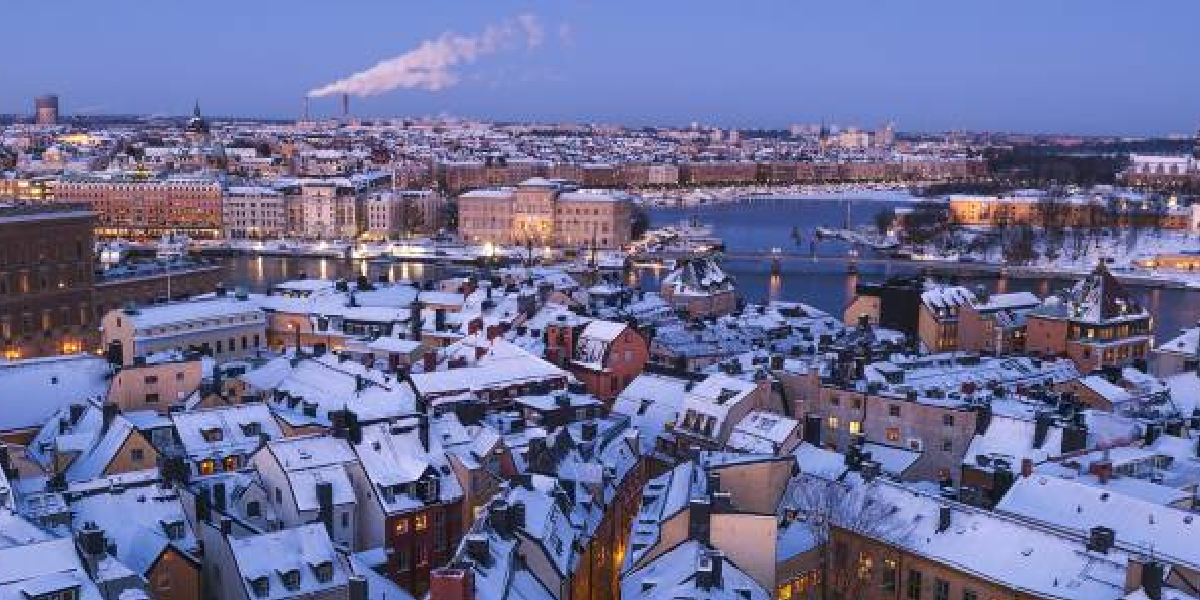
Northern Europe has become one of the clearest testing grounds for a question many governments have long avoided: should the state continue to fund religious organizations whose internal rules systematically undermine individual rights? In this region, Jehovah’s Witnesses have found themselves at the center of that debate, not because of doctrine alone, but because of the measurable social consequences of their disciplinary practices.
Norway and Sweden have moved further than most democracies in confronting this issue directly. Both countries have questioned whether an organization that enforces social exclusion, family rupture, and lifelong ostracism against former members should continue to receive public funding intended to support civic participation and social cohesion. In Norway, the government withdrew state funding and registration benefits from Jehovah’s Witnesses after concluding that the organization’s shunning practices violate children’s rights and undermine freedom of conscience. Sweden followed a similar path, tying public funding to respect for individual autonomy and equality, and signaling that religious freedom does not include the right to impose social punishment that causes demonstrable harm.
Although legal appeals and court proceedings continue to evolve, the underlying message from these states has been unmistakable. Public money is not unconditional. Financial support now comes with values-based expectations, including respect for human dignity, freedom of exit, and protection from coercive control. In other words, religious status alone is no longer enough to secure state endorsement when internal rules conflict with core democratic principles.
The reaction from Jehovah’s Witness defenders has been revealing. Rather than addressing the harm identified by governments, apologists have focused on reframing the issue as discrimination. One of the most vocal figures in this effort has been Massimo Introvigne, a long-time Watchtower ally and founder of CESNUR, who has worked aggressively to counter Norway’s and Sweden’s decisions. Introvigne has aligned himself with rulings in countries such as the Netherlands, where courts have declined to criminalize shunning, and has attempted to present these outcomes as proof that Nordic governments have overstepped. This strategy does not confront the lived experience of former members; it selectively elevates favorable jurisdictions while ignoring those that have prioritized victim testimony and social harm.
Belgium and the Netherlands illustrate the other side of Europe’s fractured legal landscape. In both countries, courts and governments have reviewed concerns about Jehovah’s Witness shunning practices and ultimately declined to intervene. These decisions are often cited by Watchtower defenders as evidence that the organization operates within acceptable legal bounds. Yet this comparison exposes a deeper problem rather than resolving it. The divergence between countries demonstrates how unevenly harm is recognized and addressed within Europe, even under shared human-rights frameworks. That some governments choose not to act does not negate the evidence examined by those that do.
France occupies a different and more volatile position altogether. Under its strict secular framework, the French state has long asserted the right to intervene when belief systems manifest in ways that threaten public order, human rights, or individual freedom. The Interministerial Mission for Vigilance and Combat Against Sectarian Deviances, known as MIVILUDES, was created in 2002 to monitor and analyze groups considered potentially harmful or coercive, including Jehovah’s Witnesses. MIVILUDES has repeatedly identified concerns related to sectarian control, social isolation, and psychological pressure.
However, France’s approach has not gone unchallenged. Jehovah’s Witnesses and their defenders have mounted sustained legal campaigns against the agency, forcing courts to scrutinize not only the group’s practices but the language used by the state itself. In several cases, legal pushback has shifted attention away from Jehovah’s Witness conduct and onto whether the government’s characterization crossed legal boundaries. This has turned France into a legal battleground where the limits of state intervention are contested almost as fiercely as the harms under review.
What Northern Europe ultimately reveals is not confusion, but confrontation. Countries like Norway and Sweden have decided that neutrality in the face of social harm is no longer acceptable. Others, such as Belgium and the Netherlands, have taken a more cautious or deferential stance. France continues to test the outer limits of secular oversight. Together, these approaches expose a fundamental divide over whether religious freedom should shield organizations from accountability when internal systems punish dissent and fracture families.
Jehovah’s Witness leadership insists that shunning is a matter of belief. Northern Europe increasingly responds that belief does not erase consequences. When former members lose parents, children, and community overnight for exercising freedom of conscience, the harm is not abstract. The region’s growing resistance to funding and legitimizing such practices marks a broader shift away from institutional deference and toward the protection of individuals.
Australia & New Zealand: Systems-level accountability
Australia has taken a markedly different path from many Western countries when it comes to Jehovah’s Witnesses, and that difference matters. Instead of treating harm allegations as isolated incidents or hiding behind deference to religious autonomy, both Australia and New Zealand have approached the issue structurally, examining how institutional design, internal policy, and leadership culture contributed to abuse and its concealment.
In Australia, Jehovah’s Witnesses are formally included in the National Redress Scheme for Institutional Child Sexual Abuse, a framework created in response to the Royal Commission into Institutional Responses to Child Sexual Abuse. This inclusion alone is significant. It places Jehovah’s Witnesses alongside schools, churches, and care institutions that were found to have failed children, not because of individual wrongdoing alone, but because of systemic mismanagement and institutional priorities that placed reputation above safety.
The Australian inquiry did not merely document abuse. It raised serious concerns about the organization’s truthfulness and cooperation. During parliamentary scrutiny, the inquiry found that it appeared possible that Jehovah’s Witness representatives had misled a Joint Standing Committee in their evidence. That finding is damning, because it suggests not confusion or ignorance, but an effort to control the narrative while survivors were seeking accountability. As stated in the official materials connected to the Redress Scheme response, “It is clear that a legacy of abuse and mismanagement must be addressed in all its aspects.” This framing makes clear that the issue was never only about past harm, but about whether the organization was willing to confront its own systems of secrecy and internal discipline.
Australia’s approach sends an unmistakable message. Religious status does not grant immunity. Participation in society carries responsibilities, and when those responsibilities are breached, inclusion in redress and scrutiny is not persecution, it is accountability.
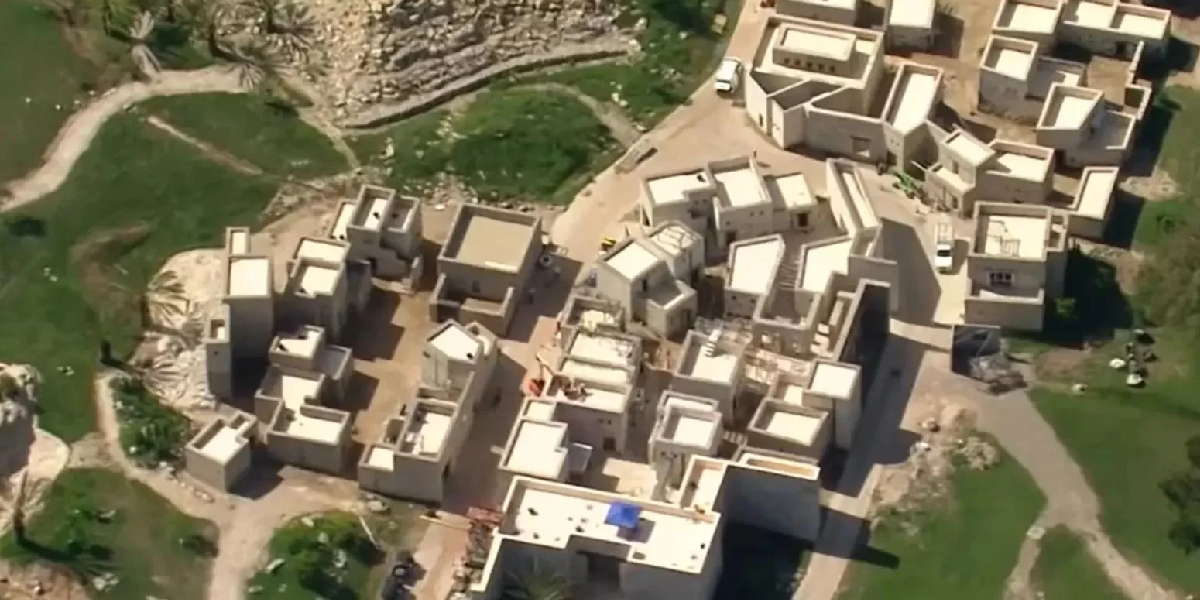
In 2022 the Jehovah’s Witness Organization started a show named “The Good News According to Jesus.” Their area of filming is set near Sydney, Australia. They have over 70 buildings for the production and have poured millions into it.
New Zealand followed a parallel path, reinforcing this principle even more sharply. The Royal Commission of Inquiry into Abuse in Care drew Jehovah’s Witnesses into a national reckoning with abuse across faith-based and state institutions. The Commission’s mandate was broad, but its message was precise: religious autonomy does not place organizations beyond inquiry when harm has occurred.
In 2024, the Jehovah’s Witness organization attempted to remove itself from the Abuse in Care inquiry. This was not a symbolic protest; it was a legal effort to escape examination. The attempt failed. The courts denied the organization’s challenge and went further, ordering Jehovah’s Witnesses to pay tens of thousands of dollars in court costs after unsuccessful efforts to block the inquiry and delay publication of its findings. This outcome matters because it demonstrates that New Zealand’s courts treated the Commission’s authority as legitimate and necessary, not optional or negotiable for religious groups.
The legal defeat exposed a familiar pattern. Instead of cooperating fully with survivor-centered processes, Jehovah’s Witness leadership attempted to narrow jurisdiction, delay outcomes, and frame scrutiny as overreach. The courts rejected that framing. In doing so, they reinforced the principle that protecting children and investigating abuse outweigh institutional discomfort.
What followed the release of inquiry findings made the contrast even starker. Several organizations named in the New Zealand inquiry issued public apologies acknowledging harm and institutional failure. Jehovah’s Witness leadership did not. The Governing Body offered no comparable apology to survivors. This silence is not neutral. It reflects a consistent organizational posture in which accountability is resisted unless legally unavoidable, and moral responsibility is subordinated to institutional control.
United States: Prosecutors enter the picture
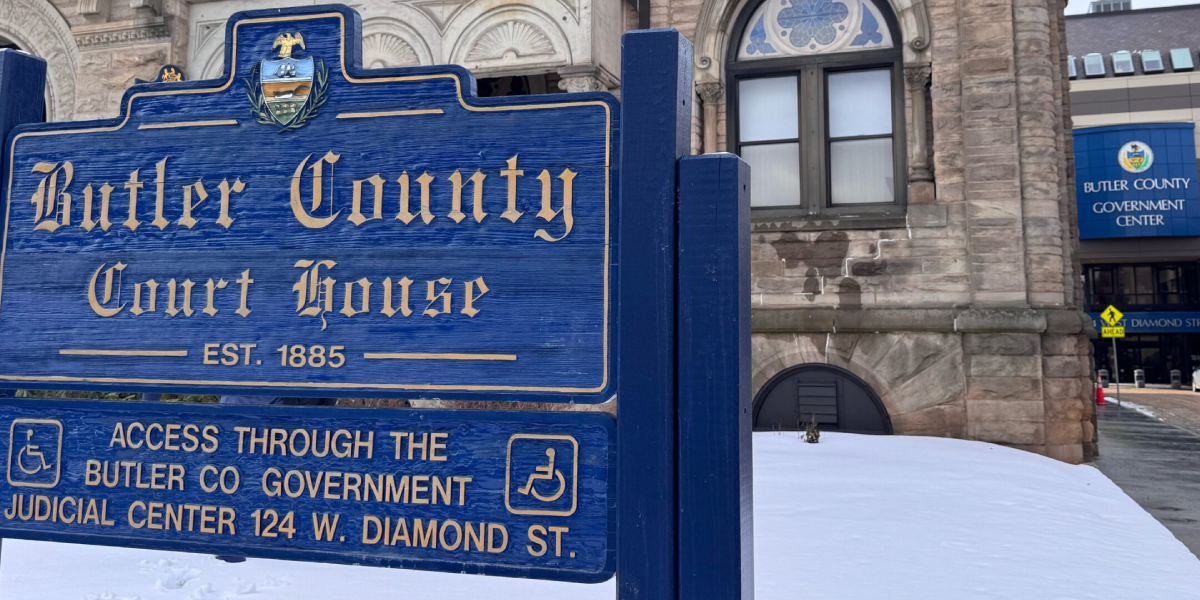
In the U.S., scrutiny is less centralized, but potentially more consequential.
Pennsylvania remains the most active jurisdiction in the U.S. on criminal cases tied to alleged child sexual abuse involving Jehovah’s Witness community members. There are 17 charged Jehovah’s Witnesses in the Attorney General’s ongoing investigation, reflecting nearly six years of grand jury work that began around 2019.
Several past convictions are still shaping news into 2026, since their sentences and legal impacts overlap with ongoing coverage:
In mid-2025, a Jehovah’s Witness member was sentenced to 14–34 years in prison after being found guilty of abusing a child as part of the Pennsylvania grand jury probe. Another member received up to 30 years in Allegheny County for multiple counts of child sexual abuse — a case reported by local media in 2025. Earlier in 2025, a Philadelphia-area perpetrator received a 2–4 year sentence after pleading guilty to child sexual assault dating back decades.
Pennsylvania grand jury investigations are still open; prosecutors have signaled more charges could be forthcoming based on continuing testimony and internal documents. Preliminary hearings and arraignments from presentments like the July 2025 case will continue into the year.
Civil suits will also continue to be filed in states with extended statutes of limitations, and some noteworthy cases might reach appellate courts.
Overview of the Lawsuit Filed in New York (2025)
The federal civil action Gomes de Souza v. Watchtower Bible and Tract Society of Pennsylvania, Inc., Watchtower Bible and Tract Society of New York, Inc., and The Governing Body of Jehovah’s Witnesses (Case No. 1:25-cv-09458) was filed on November 12, 2025 in the U.S. District Court for the Southern District of New York. The complaint alleges that Stella Cristina Gomes de Souza was repeatedly sexually abused as a child in Brazil by a senior Jehovah’s Witness minister and that the organization’s leadership actively concealed the abuse rather than protecting her. Updates on this case are in a recent AvoidJW Article.
In addition to criminal prosecutions, recent coverage by legal advocacy organizations notes that Jehovah’s Witness abuse claims continue to emerge across multiple states as survivors file civil suits. Recent settlements and court rulings in states like Montana and California have held Watchtower entities accountable for mishandling abuse reports and shielding offenders, including sanctions in federal courts for withholding internal documents. This pattern contributes to ongoing media and legal scrutiny of the organization’s internal policies
Domestic Non-Profit Advocacy Continues
Groups like Silentlambs, a U.S.-based nonprofit that assists victims of child abuse within Jehovah’s Witness congregations, remain active in education and support for survivors, and report thousands of abuse cases where organizational handling was allegedly inadequate. Their work continues to be cited in media and survivor networks as part of the broader accountability ecosystem.
Japan – UN Experts Raise Alarm on Stigmatization of Religious Minorities
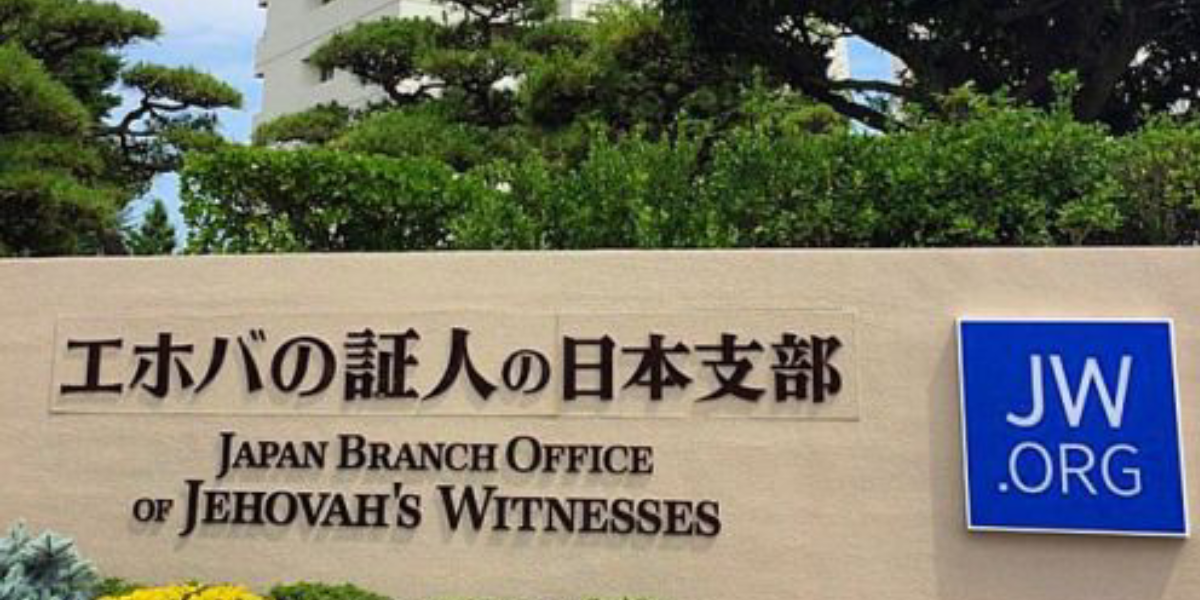
In late 2025 and moving into 2026, Japan became a focal point for international attention over how governments respond to documented risks to children within closed, high-control religious environments, including Jehovah’s Witness communities. This attention did not arise from doctrinal disagreements or abstract debates about belief, but from growing concern about how child-protection systems confront harm that is often hidden behind claims of religious autonomy.
A group of United Nations Special Rapporteurs issued a public statement criticizing Japanese government-linked child-welfare materials, including the “Children’s Human Rights SOS Mini-Letters” distributed in schools and accompanying guidance for authorities on how to assess religion in suspected child-abuse cases. Their concern was that some wording in the materials could be interpreted as broadly associating religious practices with harmful behavior and might unintentionally stigmatize children from minority religious backgrounds, including Jehovah’s Witness families.
What is often left out of this narrative, however, is why such materials existed in the first place. Japan’s child-welfare agencies have been under pressure to respond to longstanding reports of psychological coercion, social isolation, corporal punishment, medical neglect, and enforced obedience within certain religious groups, concerns that former members and child-advocacy organizations have raised for years. Jehovah’s Witnesses have featured prominently in these discussions, not because of belief alone, but because of well-documented practices that affect children’s health, education, and emotional safety.
The UN experts warned that poorly phrased guidance could risk reinforcing stereotypes or exposing children to bullying. They urged the Japanese government to revise the materials with broader consultation. But even within this critique, the intervention did not deny the legitimacy of child-protection concerns themselves. Instead, it highlighted a tension that governments face when addressing harm linked to religious environments: how to protect children decisively without allowing institutions to deflect scrutiny by framing accountability as discrimination.
This episode is notable not because it vindicates Jehovah’s Witness practices, but because it exposes how international human-rights mechanisms can sometimes focus more on optics than outcomes. The debate was reframed around language and perception, while the underlying reality — that children in high-control religious settings may be exposed to harm that authorities are struggling to address — remained largely intact.
Japan’s situation illustrates a broader global problem. When governments attempt to intervene early, educate children about their rights, and encourage reporting of abuse or neglect, religious organizations with rigid internal controls often respond by invoking stigma and religious freedom rather than addressing the behaviors that triggered concern. The result is a policy minefield in which child safety risks being softened to avoid offending powerful belief systems.
The lesson from Japan is not that child-protection efforts should retreat, but that they must be sharpened. Protecting children and respecting freedom of belief are not equal when those beliefs are enforced through fear, isolation, or control. The real human-rights failure would be allowing concern for institutional reputation to outweigh the lived experiences of children and former members who have already paid the price.
Spain — Spanish Courts: Protecting Life Over Doctrine
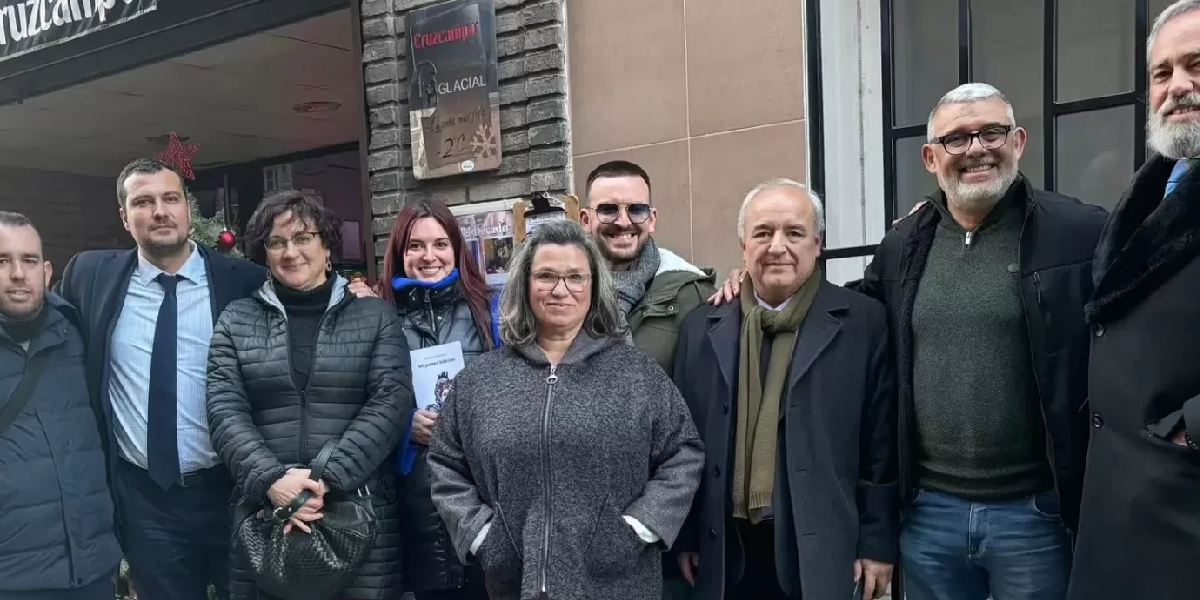
In Spain, the conversation about Jehovah’s Witnesses has shifted in a way that is difficult to ignore. What was once framed almost exclusively as a matter of “religious freedom” is now increasingly discussed in terms of harm, coercion, and the rights of victims. This shift did not happen overnight, nor did it come from a single court ruling. It emerged from years of medical, legal, and social confrontation with the real-world consequences of Jehovah’s Witness practices.
A major moment came on 17 September 2024, when the Grand Chamber of the European Court of Human Rights issued its unanimous decision in Pindo Mulla v. Spain. The Court ruled that Spanish hospitals violated a Jehovah’s Witness woman’s rights to private life and religious freedom when they administered blood transfusions during emergency surgery against her clearly documented refusal. Spain was ordered to pay approximately €26,000 in damages.
Jehovah’s Witness leadership quickly promoted this ruling as proof that their blood doctrine is protected under European human-rights law. That interpretation is misleading. The Court did not endorse Jehovah’s Witness teachings, nor did it assess the internal pressures of the organization. The ruling rested on a narrow point: a competent adult has the right to refuse medical treatment if that refusal is genuinely autonomous. The Court assumed autonomy. It did not examine whether that autonomy had been compromised by religious coercion.
That assumption is precisely where Spain’s broader reckoning begins. Spanish medical ethics bodies, including the Organización Médica Colegial, have long warned that autonomy is only valid when it is truly free. In Spain, doctors are trained to consider whether religious pressure, fear of punishment, or lifelong indoctrination undermine informed consent. Jehovah’s Witness blood refusal is often treated not as a neutral preference, but as a high-risk ethical scenario where coercion must be actively considered.
Spanish courts have been even more explicit, particularly in cases involving children. For decades, Spanish judges have overridden Jehovah’s Witness refusals of blood transfusions when life is at stake, consistently affirming that religious belief does not justify preventable harm or death. Court rulings in Spain frequently use language referring to grave danger to life, ideological pressure, and the State’s duty to protect fundamental rights. Spain has been clear that religious doctrine cannot override the obligation to preserve life and health.
This legal and medical posture did not develop in isolation. Spain is home to one of the strongest victim-advocacy movements addressing high-control religious groups in Europe. Central to this movement is the Asociación Española de Víctimas de los Testigos de Jehová, known as AEVTJ. The association is made up of former Jehovah’s Witnesses and affected family members who document psychological coercion, enforced shunning, family destruction, and medical harm linked to the organization’s practices. AEVTJ does not claim neutrality. It exists to represent victims and to name harm directly.
Although AEVTJ was not a party to the Pindo Mulla case, its influence is unmistakable in the Spanish context surrounding it. Years of victim testimony helped shape a public environment in which Jehovah’s Witness practices are no longer automatically presumed benign. Spanish media, lawmakers, and professionals increasingly understand that choices made under threat of social death, family loss, or lifelong indoctrination cannot be casually labeled “free.”
Spain’s broader anti-sect framework reinforces this perspective. Organizations such as RedUNE, the Spanish Network for the Prevention of Sectarian Harm, openly classify Jehovah’s Witnesses as a coercive group and collaborate with courts, journalists, and mental-health professionals.
Taken together, these developments reveal the real significance of Spain’s position. The country is not hostile to religion, but it is increasingly unwilling to allow religious institutions to escape scrutiny when their practices cause harm. The Pindo Mulla ruling protects individual autonomy in theory, but Spain’s ongoing debate asks a harder question: when an organization enforces obedience through shunning, fear, and control, can refusal truly be considered autonomous at all?
Spain’s answer is evolving, but the direction is clear. Courts, doctors, and victims are no longer content to treat Jehovah’s Witness practices as untouchable. They are naming harm, questioning coercion, and insisting that human rights belong to individuals, not institutions. In doing so, Spain has become one of the clearest European examples of what happens when a society chooses to listen to victims instead of deferring to religious authority.