
JEHOVAH’S
WITNESSES
JEHOVAH’S
WITNESSES
More than 12 years revealing secrets because there is no excuse for secrecy in God’s true religion – The Watchtower, June 1st 1997; Dan 2:47; Matt 10:26; Mark 4:22; Luke 12:2; Acts 4:19, 20.
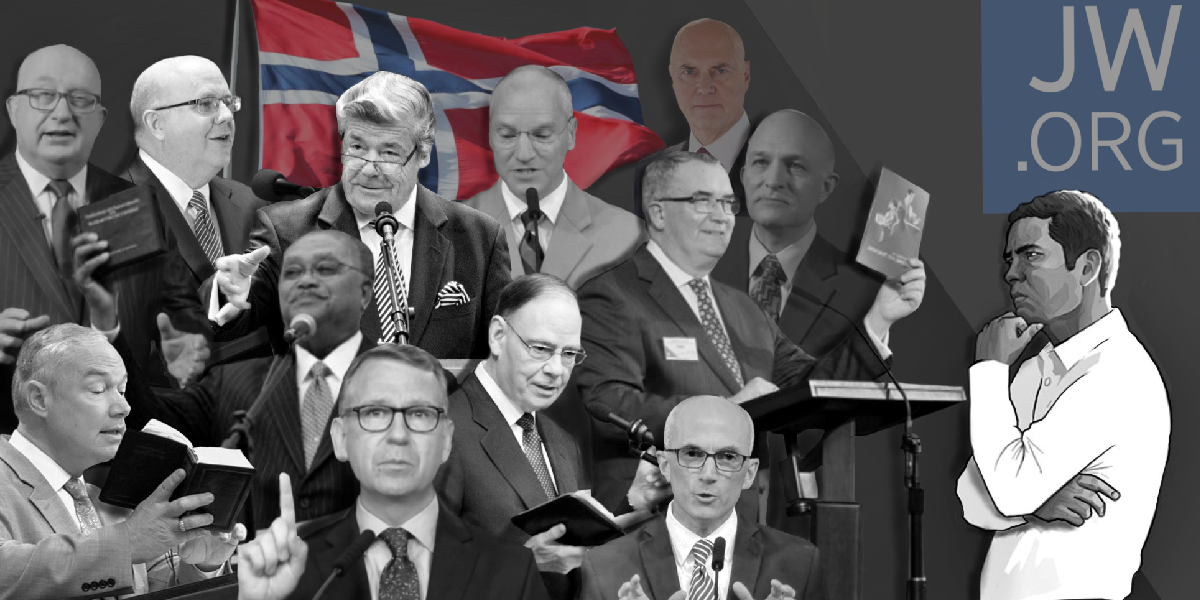
Cover Image designed by: Miss Usato
Written and Published by: Miss Usato, May 20th, 2026, Updated: July 31st, 2026
After Jehovah’s Witnesses celebrated their Norway court victory in 2026, JW.org presented the ruling as vindication. Around the same time, they randomly deleted all JW broadcasts and morning worship videos from their site dating back to 2021 and earlier. Yet, the deleted broadcasts, softened language, and archived shunning videos tell a different story: Watchtower may rewrite its website, but it cannot erase what it taught on camera. The internet remembers; we remember.
All removed videos from JWorg are now available under ‘Removed Videos’ on AvoidJW.org
A victory does not erase what Jehovah’s Witnesses taught on camera
AvoidJW has been working on collecting the JWorg-removed videos from 2021 and earlier. We are pleased to say that we have republished over 200 JWBroadcasting Videos to the public on the site. If you see one missing that you have, please get in touch with us at: AvoidJW@protonmail.com.
On May 11th, 2026, Norwegian newspaper Vårt Land covered Jehovah’s Witnesses following the Supreme Court ruling; their mood was one of relief. The headline quoted members saying it was “super” to receive such a positive judgment, and the article summarized that Jehovah’s Witnesses were relieved after Norway’s Supreme Court ruled in the religious group’s favor.
I get the relief. Jehovah’s Witnesses won an important legal battle in Norway. However, the majority of their followers are unaware of what has really been happening, and the narration on their site is spewing a persecution complex. A court victory is not the same as vindication in history, and it is certainly not the same as innocence.
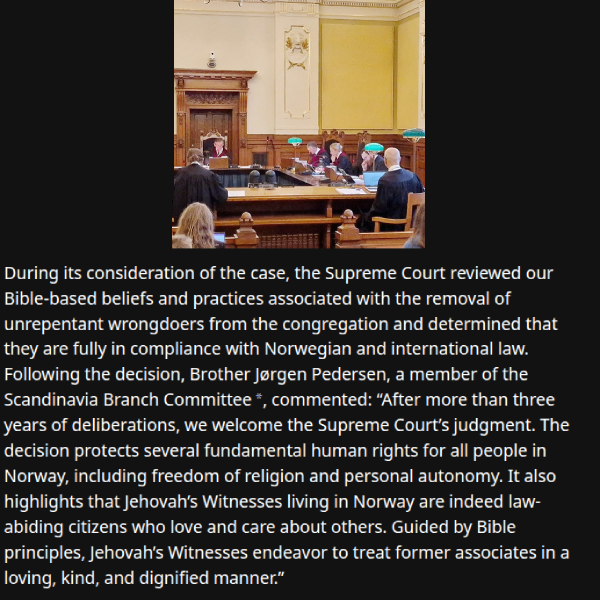
Since the ruling, JW.org has presented the decision as sweeping confirmation that its practices are lawful, loving, and dignified. Its official article says Norway’s Supreme Court found that the government’s denial of state grants was illegal and that Jehovah’s Witnesses’ beliefs and practices related to removal from the congregation are “fully in compliance with Norwegian and international law.” The same article quotes Norwegian spokesman Jørgen Pedersen saying former associates are treated in a “loving, kind, and dignified manner.”
Yet, the record tells a much messier story.
The Supreme Court did rule that Norway’s decisions to deny state funding and registration were invalid. But the court’s own summary says the case concerned Jehovah’s Witnesses’ practice of social shunning, children’s rights, and whether members have the right to freely withdraw. The court outlined the group’s practice of disfellowshipping, exclusion, and social shunning. It then ruled, by a narrow majority on one central issue, that Norway had not met the high legal threshold required to deny grants and registration. That is not the same as saying shunning does not exist. It is also not the same as saying shunning is harmless. And more so, it is not the same as saying the Organization has always told the truth about what it teaches families to do.
The legal win was real. The spin campaign is also real.
One of the most important parts of the Norway case is what Watchtower would prefer readers not focus on: the Supreme Court did not treat shunning as an imaginary apostate talking point. The official court summary says Jehovah’s Witnesses practice exclusion and social shunning, and that the state argued this violated children’s rights and the right to freely withdraw from the religion. The majority concluded that Norway had not proven enough severe harm, coercion, or undue pressure to justify denying state funding and registration under the applicable legal threshold.
The court did not erase shunning
On May 8th, 2026, the JWorg site wrote an article about the Norway Ruling.
It phrases it like the court gave a sweeping moral endorsement of their shunning policy. But the court summary explicitly says it reviewed “disfellowshipping/exclusion” and “social shunning” of former members. It was deciding whether Norway met the high legal threshold to deny funding/registration, not whether shunning is loving or harmless.
Also, the decision was not a clean universal agreement. The court summary notes a minority disagreed on whether shunning creates undue pressure on members’ right to leave.
To the right is the only photo included in the article. It did not show the Jehovah’s Witnesses who attended, nor did it capture the interaction between former and active Witnesses at the event. In reality, the former Jehovah’s Witnesses who attended were respectful, kind, and cordial toward the active members present.
Even more importantly, the case was not unanimous in its moral reading of the practice. The dissenting justices described shunning as a rule-based obligation and emphasized that it can lead to loss of contact with family members, especially for minors. The dissent concluded that Jehovah’s Witnesses encourage shunning of those who withdraw and that this violates the right to leave the religion freely.
So when JW.org turns the ruling into a full reputational victory lap, readers should ask: Why does the Organization want the public to hear only the outcome, but not the record?
Because the record is where the receipts live.
JW.org’s current language is softer. The policy still bites.
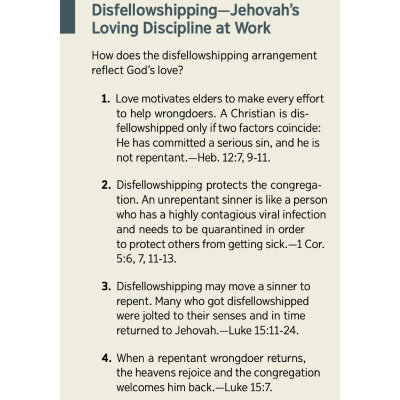
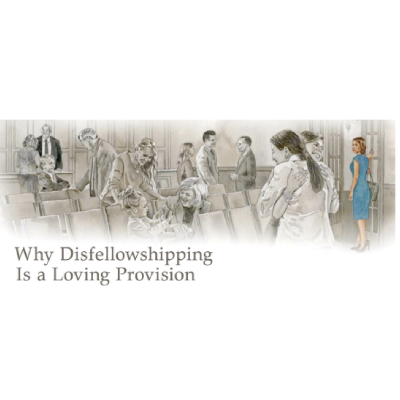
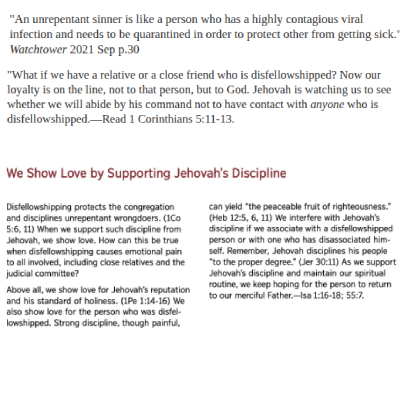
Today, JW.org’s FAQ says Jehovah’s Witnesses do not socialize with people removed from the congregation. It also says they do not ignore such a person completely, may greet the person at meetings, and treat the person with respect. That is the new packaging. Millions have been affected by the cold stares and sharp turns of the shoulders when you are being shunned. The above shows how they really react and view this “loving provision.” In their publication, the Watchtower, 1981 September 15th, p. 25, it reads “A simple ‘Hello’ to someone can be the first step that develops into a conversation and maybe even a friendship. Would we want to take that first step with a disfellowshiped person?”
Still now, the underlying message remains: association is cut off.
The August 2024 Watchtower also introduced softened language, replacing “disfellowshipped” with “removed from the congregation.” It portrays the removed ones as lost sheep, says elders should try to help them return, and describes a more pastoral tone.
But even Watchtower’s own current study material still says Jehovah’s Witnesses “stop keeping company” with a removed person and do not socialize with that person. It now allows a simple greeting, but says not to have an extended conversation or socialize. That is not a full retreat from shunning. That is a language refresh. Or, in corporate terms: a brand-safe policy relaunch with reputational risk mitigation baked in.
The timing also matters. In 2024, it was noted that Jehovah’s Witnesses eased disciplinary rules shortly after losing in the Oslo District Court. CNE reported that the new guidelines appeared within weeks of that ruling, softened rules about greeting removed persons, and adjusted language around minors. It is difficult not to see a connection with the Oslo decision. That does not prove motive by itself. But it does show a pattern: when courts and governments scrutinize shunning, the Organization adjusts the presentation. Not necessarily the engine. JUST the presentation.
The real policy in action
Written doctrine can be blurry. FAQs can be revised. Terms can be swapped. “Disfellowshipped” can become “removed.” “Shunning” can become “limiting association.” “Cutting off family” can become “respecting Bible principles.” But video is different. A video shows the emotional mechanism. It shows the daughter rejecting the mother’s call. It shows parents choosing organizational loyalty over family contact. It shows governing body members and convention speakers telling millions of Witnesses how to think, feel, and behave. That is why deleted videos matter. AvoidJW reported that Jehovah’s Witnesses quietly removed instructional shunning videos from JW.org some years back, including videos that dramatized family rejection of disfellowshipped relatives. We also noted that these removals came amid growing scrutiny in countries such as Norway, Japan, and Denmark, and that no formal announcement explained the deletions.
A 2023 convention, “Exercising Patience,” included videos focusing on loyalty when a family member is disfellowshipped, including the line: “If a member of our family is disfellowshipped, our affection for them should not be greater than our affection for Jehovah.” Those videos were later removed from the online program. They can be found here: Shunning Video Part One, Shunning Video Part Two
Another removed video, “Loyally Uphold Jehovah’s Judgments: Shun Unrepentant Wrongdoers,” portrayed a daughter who had been disfellowshipped and whose parents avoided her calls for years.
This is the problem for Watchtower: those videos did not merely explain doctrine, they demonstrated enforcement. They taught social behavior, and they created emotional scripts for families.
When those scripts became inconvenient in court, in the press, and in public policy debates, as it happened in Norway, they began disappearing.
The Internet remembers

One of the biggest problems for Jehovah’s Witnesses’ current image is not simply the deleted videos. It is the Organization’s long history of doctrinal reversals presented as unquestionable truth at the time. The issue with covering it up? The internet always remembers.
Again and again, teachings enforced as divine law and new light later became optional, softened, reversed, or quietly abandoned.
I’m talking about beards being unclean to Rutherford, to the point of being disfellowshipped, now a personal decision. The end is here, the end is near. Clinking glasses, vaccinations, blood transfusions, the list goes on.
For decades, doctrinal reversals happened inside Kingdom Halls where members were expected to accept “new light” without public scrutiny. But the digital age changed the equation.
Now, old broadcasts can be archived. Old Watchtower articles can be searched instantly. Court testimony can be compared against older publications. Claims about “conscience” can be measured against decades of organizational enforcement. And the contradictions become harder to explain away.
Jehovah’s Witnesses are not unique because they changed their teachings. Many religions evolve. What makes the situation different is the level of certainty with which these teachings were enforced before changing.
While the Governing Body used JW broadcasting to demonstrate, preserve tone, instill fear, why would they suddenly delete hundreds of videos?
Why did JW Broadcasting delete so many videos?
Watchtower deleted the videos because old broadcasts became receipts.
At first, advocates realized the site was deleting interviews like Philip Brumley going to Law school, or videos showing Jehovah’s Witness families how to shun their children. Sure, that is understandable; it is hypocritical, cold, and contradictory for being a “loving organization.” Of course, they would want to delete them and pretend they don’t follow such unloving demonstrations.
One possibility is Legal optics
Older videos on shunning, disfellowshipping, donations, blood, “apostates,” and family loyalty can be used in court, media reports, and government reviews.
Norway and shunning scrutiny
Norway put shunning under a microscope. Videos showing family rejection or loyalty-above-family messaging are terrible PR assets when JW.org is arguing that former members are treated with dignity.
Anthony Morris cleanup
Many older broadcasts featured Anthony Morris III. Since he is no longer a Governing Body member, removing older content reduces his public footprint.
Doctrinal rebranding
JW language changed: “disfellowshipped” became “removed from the congregation,” greetings are now softened, and judicial committees got renamed. Old videos may contradict the new, softer packaging.
Embarrassing historical contradictions
Older broadcasts and talks may preserve teachings or tones that no longer fit current messaging: higher education warnings, donation appeals, shunning dramatizations, anti-apostate rhetoric, and strict obedience themes.
Control of the archive
Digital video is evidence with a play button. By deleting videos, Watchtower may control what current members, courts, journalists, and the public can easily access, but erasing records does not erase reality. The internet remembers, archives endure, and patterns speak louder than polished narratives. An organization can only conceal its true character for so long before the evidence tells the story for itself.
To understand the bigger picture, Watchtower is attempting to do something increasingly difficult in the digital age: control memory itself. How?
Jehovah’s Witnesses are repeatedly warned not to view material outside of what the Organization provides through JW.org. As a result, if a Witness searches the broader internet for a deleted JW Broadcasting video or an older removed publication, the very act of looking for it can now be viewed as engaging with “apostate” material, even if the content originally came directly from Watchtower itself.